Say goodbye to altitude distress – and hello to new heights

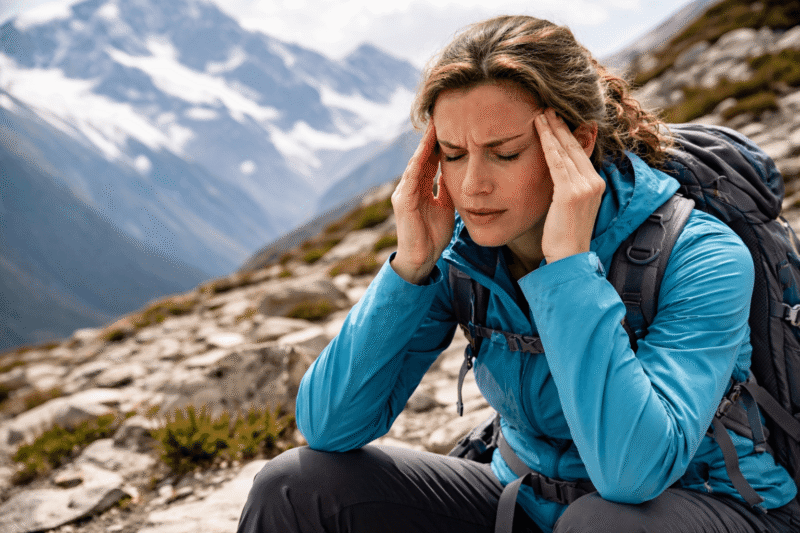
Altitude sickness can be more than just a hurdle—it can impact your safety, your performance, and your ability to enjoy the journey.  MEDX offers clinically proven, NICE-approved preventative treatments designed to speed up acclimatization, reduce headaches, and help you reach your destination with confidence.
  • NICE-approved preventatives to help your body acclimate safely

  • Targeted travel plans tailored to your itinerary and elevation

  • UK-regulated clinicians for expert clinical review

  • Discreet, fast delivery to ensure you are prepared before you fly

No GP Referral Required

Access trusted treatments quickly, without the wait for a GP appointment

Private & Confidential Care

Safe, confidential assessments with UK-regulated clinicians

Express Delivery

Delivered directly to your door in plain, discreet packaging

Our Process

Altitude sickness can be dangerous if ignored. Our clinicians provide rapid assessments and preventative plans to ensure you reach new heights safely and comfortably.

STEP ONE

Start A Quick Online Consultation

Complete a confidential medical questionnaire with details about your symptoms, how long you’ve been experiencing discomfort, and any relevant health history.

STEP TWO

A Clinician Will Review Your Consultation

We will review everything within 90 minutes and prescribe treatment if appropriate.

STEP THREE

Receive Your Order With Discreet Delivery

Your medication is delivered in secure, unbranded packaging, helping you begin your path to relief with privacy and ease.

Why Choose MEDX for Altitude Safety?

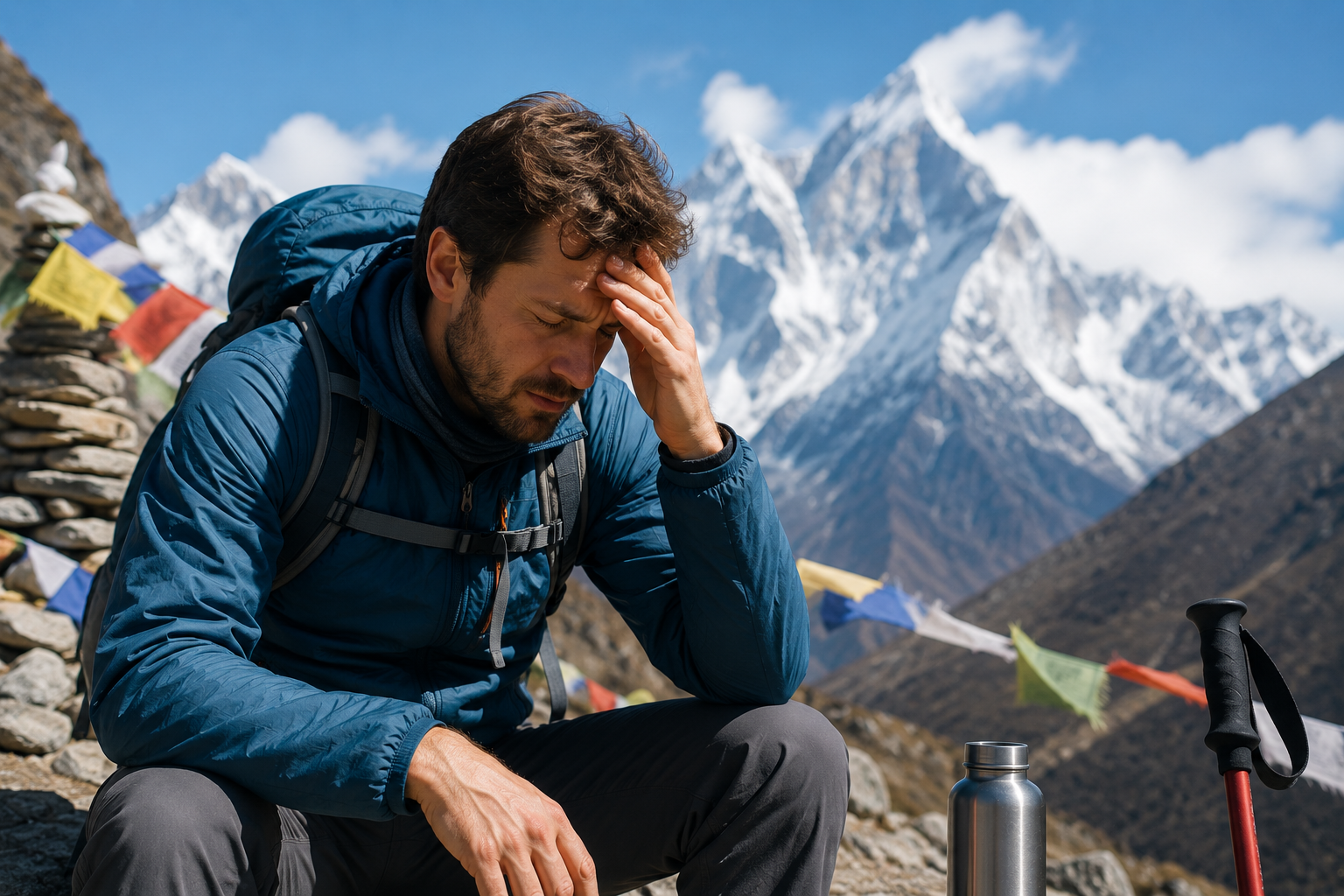
Altitude sickness is more than just a temporary headache—it is a physiological challenge that can impact your safety, your performance, and your ability to enjoy your journey. We understand that reaching new heights requires a professional, preventative approach to help your body acclimate safely to changing environments.
  • Safe and effective medications: Access NICE-approved preventative treatments prescribed by UK-regulated clinicians.

  • Targeted travel support: Treatments are selected specifically for your destination’s elevation and your personal medical history.

  • Maximum privacy and speed: Skip the clinic waiting room with secure online consultations and fast, discreet delivery before your trip begins.

Our Treatments

Preventative Medications

Taken before or during an ascent, these systemic treatments help the body acclimate to lower oxygen levels more efficiently. They are essential for travelers heading to high altitudes who want to minimize the risk of Acute Mountain Sickness (AMS).

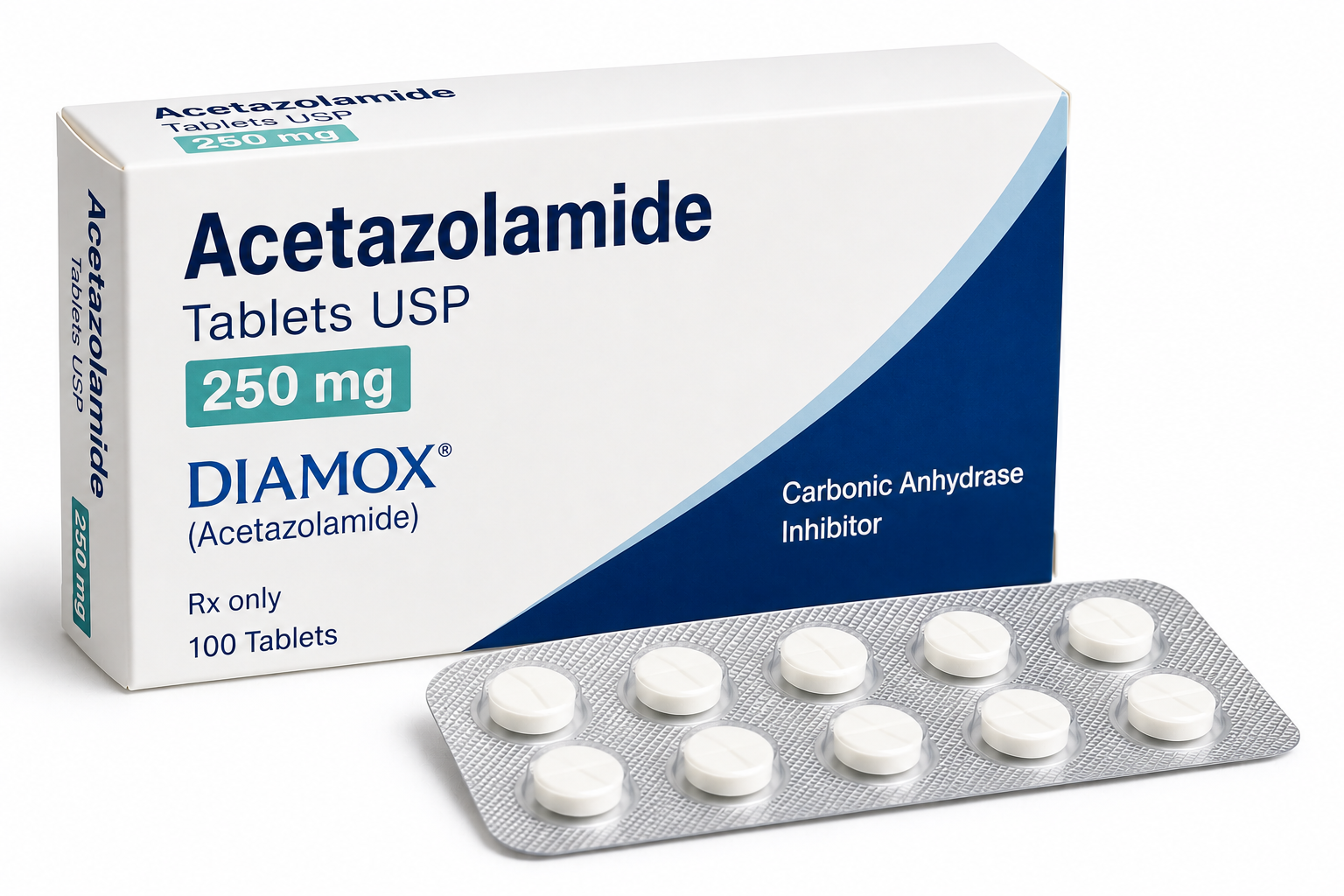
Acetazolamide (Diamox®)

The primary NICE-approved medication for altitude sickness. It speeds up acclimatization by helping the lungs breathe more deeply and efficiently, reducing the risk of headaches and nausea.

Frequently Asked Questions About Altitude Sickness

What is altitude sickness and what causes it?
Altitude sickness happens when your body struggles to adjust to lower oxygen levels at high elevation, typically above 2,500 metres. It can cause symptoms like headache, nausea, dizziness, and fatigue, especially if you ascend quickly without giving your body time to acclimatise.
How is altitude sickness prevented? +
Gradual ascent and giving your body time to acclimatise is the most effective prevention. For those at higher risk or unable to ascend slowly, a prescription medication can help speed up acclimatisation and reduce the chance of symptoms developing.
When should I start taking preventive medication? +
It's usually recommended to start the day before you begin ascending, and continue for a couple of days after reaching your highest altitude. Your clinician will confirm the exact timing and dose based on your trip and health history.
Do I need a physical appointment to get preventive treatment? +
No, you can complete a short online consultation covering your travel plans and medical history, and a clinician will review it to confirm whether preventive medication is suitable for you.
Are there any side effects of altitude sickness medication?
Common side effects include tingling in the fingers, toes, or around the mouth, and needing to urinate more frequently. These are usually mild, but your clinician will explain what to expect and when to seek help if symptoms feel unusual.
What are the warning signs of severe altitude sickness? +
Confusion, severe breathlessness at rest, difficulty walking in a straight line, or a persistent cough with pink or frothy sputum can indicate a serious complication. Descend immediately and seek emergency medical help if these occur.
Is this treatment suitable for everyone? +
Not everyone is suitable — certain allergies, kidney problems, or other health conditions may need to be considered. This is why your full medical history is reviewed carefully during the consultation before anything is prescribed.
What else can help reduce my risk at high altitude? +
Ascending gradually, staying well hydrated, avoiding alcohol in the first few days, and resting if you feel unwell before continuing higher can all help reduce your risk alongside any medication.